

How virtual reality helps older people reconnect in life
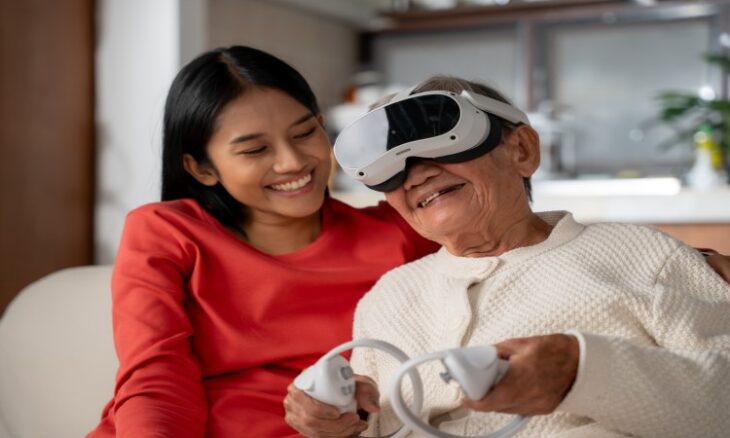
Retirement communities often provide calm surroundings for people who can no longer travel widely or take part in demanding activities, yet many residents still long for the sense of adventure they once enjoyed. At a senior community in Los Gatos, California, this desire is being met through the use of virtual reality headsets that allow older adults, many in their eighties and nineties, to experience distant places and stimulating environments while remaining safely seated beside one another. Within minutes, participants are transported to European cities, underwater worlds, dramatic mountain scenes and other environments that feel vivid enough to spark emotion, discussion and curiosity. The technology is supplied by Rendever, a company focused on using virtual reality to improve cognitive engagement and support meaningful social interaction across hundreds of senior living communities in the United States and Canada. The Terraces community is one of many places where older residents are exploring new forms of connection through shared virtual experiences, often responding physically and emotionally as if they were truly there.
During recent sessions, residents have been observed moving their arms as though swimming alongside dolphins while engaging with three-dimensional programmes. Others have reacted strongly during simulated balloon flights and aerial adventures that create a sense of height, motion and wonder while the participants remain stationary. Beyond thrilling destinations, the technology is also capable of recreating deeply personal environments, including childhood streets and long-forgotten neighbourhoods. For many older adults, these virtual returns to formative places bring back powerful memories that feel both nostalgic and comforting. One resident found that revisiting her childhood area in Queens, New York, highlighted how much technology can recover personal histories, even for those who still manage to go out more often than some of their neighbours. Staff members believe such experiences encourage more reserved residents to try new activities, breaking habits of isolation and encouraging them to join communal sessions where they might otherwise have stayed alone.
The community life director at The Terraces has noted that once residents hear about these sessions, curiosity spreads quickly. Even those who usually prefer familiar games and routines often become interested enough to take part. The shared experience acts as a trigger for conversation, encouraging residents to speak with one another, compare reactions and discover shared interests. According to carers, this process builds bridges between people who might not otherwise talk, helping to turn technologically created environments into catalysts for real-world human relationships. Rendever aims to expand this impact through a significant grant from the National Institutes of Health, intended to explore how virtual reality may reduce loneliness among seniors living both in communities and at home, as well as support caregivers.
Early studies suggest that carefully delivered virtual reality experiences may help older adults retain cognitive function, stimulate memory and encourage communication with others, although experts caution that it should complement rather than replace other meaningful activities. Some specialists warn against excessive screen time but acknowledge that thoughtful, purposeful use can be beneficial. Researchers also point out that virtual reality can be easier for many older users than smartphones or complex devices, since headsets provide straightforward immersive interaction. Stereotypes about older adults avoiding technology are being challenged, as many seniors show enthusiasm when the tool clearly supports enjoyment, relaxation, memory recall and social participation. There is also an intergenerational effect, since younger relatives often respond positively when they learn that grandparents or older family members are using modern immersive technology, strengthening bonds further.
The origins of Rendever are rooted in a personal motivation. The company’s cofounder was influenced by his experience watching his grandmother face emotional and cognitive challenges linked to ageing, which encouraged him to study the connection between brain health and social interaction. He later helped create a platform that allows groups of seniors to share virtual experiences together, something that often continues into ongoing conversation long after the headset is removed. The sector is competitive, with other companies such as Dallas-based Mynd Immersive offering similar services for senior living communities. Both organisations also support the use of virtual reality as a potential tool for slowing aspects of cognitive decline, including dementia, by encouraging engagement, emotional stimulation and memory recall.
At another retirement village in Silicon Valley, the Forum, residents have used the technology in moments that combine celebration with therapeutic value. One resident living with dementia responded positively to a virtual hike through Glacier National Park, smiling and engaging as he experienced familiar scenery linked to meaningful life memories. His spouse, who attended with him, felt that the session revived earlier travels they once enjoyed together across the United States, adding a sense of warmth and shared history to the experience. Another resident reacted with joy while viewing a virtual classical music performance and interacting with playful virtual environments, demonstrating how different types of content can appeal to varied personalities and emotional needs. These moments underline how virtual reality can temporarily lift residents out of everyday routine, allow them to mentally revisit important places or explore entirely new settings, and then return with renewed conversation, connection and emotional energy.